
On March 28, 2025, Myanmar was struck by a devastating 7.7-magnitude earthquake, one of the most powerful in a century. The epicenter was near Mandalay, the country’s second-largest city, leading to widespread destruction across several regions, including Naypyidaw, Sagaing, Shan, Bago, Magway, and Kayin.
Casualties and Damage:
The earthquake resulted in significant loss of life and property. According to Myanmar’s military-led government, over 3,640 people were killed, with 148 missing and more than 5,000 injured. However, other sources suggest higher figures; Mizzima News reported 5,330 fatalities, and the Democratic Voice of Burma documented over 4,340 deaths.
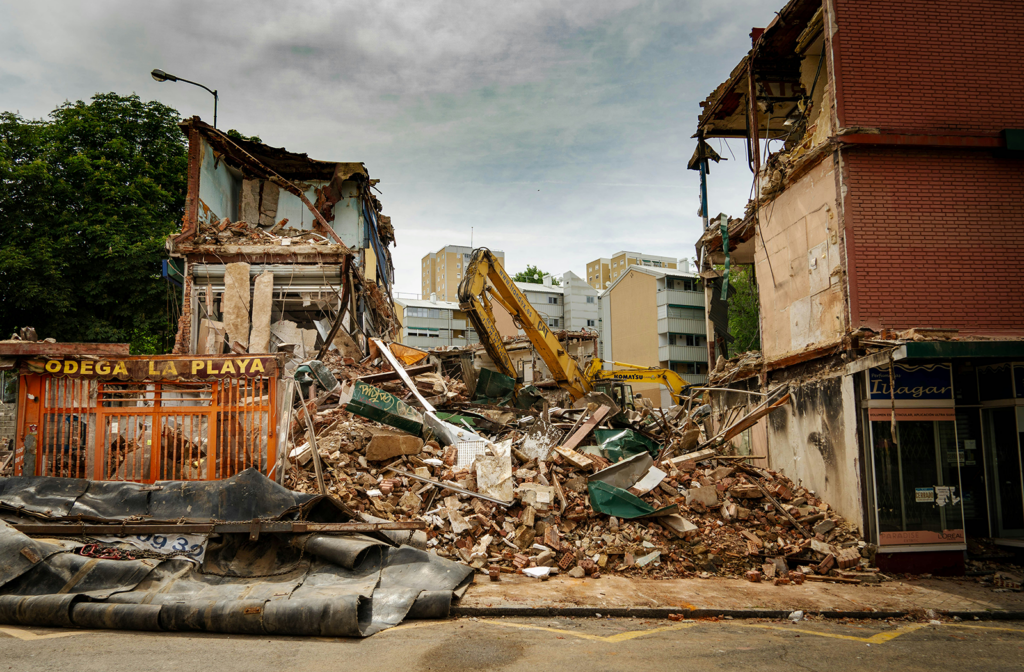
Infrastructure damage was extensive. In Mandalay, numerous buildings, including hospitals, government offices, and residential homes, collapsed. The Ava Bridge over the Irrawaddy River also collapsed, disrupting transportation. Naypyidaw experienced the collapse of several government buildings and the air traffic control tower at the international airport.
Humanitarian Response:
The international community swiftly mobilized aid. Countries like India, China, Malaysia, and Singapore sent rescue teams and relief supplies. China, for instance, dispatched medical teams and emergency responders, while Russia provided medical assistance and rescue workers.
Despite these efforts, aid distribution faced challenges due to damaged infrastructure and ongoing civil conflict. In Sagaing, the earthquake’s epicenter, access remained limited, hindering relief efforts. The United Nations and neighboring countries continue to provide support, emphasizing the need for medical aid, shelter, clean water, and disease prevention measures.
Ongoing Challenges:
The combination of a powerful earthquake and Myanmar’s existing political and civil unrest has created a complex humanitarian crisis. The military junta’s control over affected regions varies, impacting the efficiency of relief efforts. Analysts express concern over the junta’s capacity to manage reconstruction given international isolation and limited resources.
In conclusion, the March 28 earthquake has inflicted profound damage on Myanmar, exacerbating existing challenges. A coordinated international response is crucial to address immediate humanitarian needs and support long-term recovery and reconstruction efforts.
As a local church in Yangon (Myanmar) whom I(Pyn) have been working for a long time since 2011, we would ask you to pray for them with the prayer points below and also to consider donating the Disasters Emergency Committee (DEC) appeal for the earthquake.
https://donation.dec.org.uk/myanmar-earthquake-appeal
• Pray for believers in Myanmar, their comfort and relief from poverty, injury and lack of food and water.
• Please pray that emergency services can reach those affected and the government would be willing and able to rebuild and help survivors.
• Pray for those connections we have in Myanmar as they already face persecution and displacement.
Photo by Jose Antonio Gallego Vázquez on Unsplash

Originally from the Northeast of India, Pyn and his wife Hannah recently moved to England and are currently leading The Exchange church in Aylesbury, as well as being involved in building and serving in many churches in India & Myanmar. Pyn’s passion is to see children, young people, adults and the elderly encountering the love and the power of God in healings and deliverance spiritually, physically and emotionally, and to live out lives of transformation with an ever increasing glory and freedom. He loves playing guitar and singing, as well as playing football and tennis.
